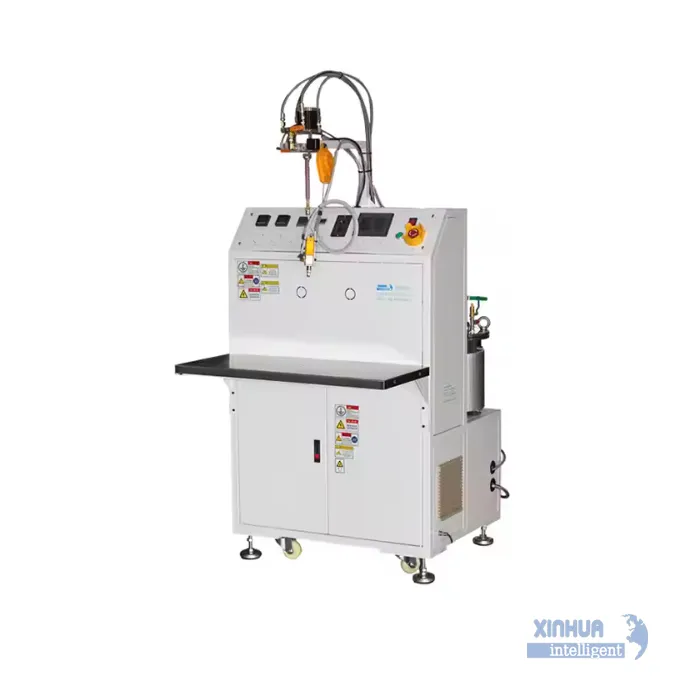
In modern electronics manufacturing, adhesives play a critical role in improving product reliability, durability, and performance. However, many engineers and purchasing managers often confuse glue dispensing vs potting, assuming they are interchangeable processes. While both involve applying adhesive materials, they serve different purposes and require different equipment and production methods.
In this article, we'll explain the key differences between glue dispensing and glue potting, helping you choose the right solution for your application.
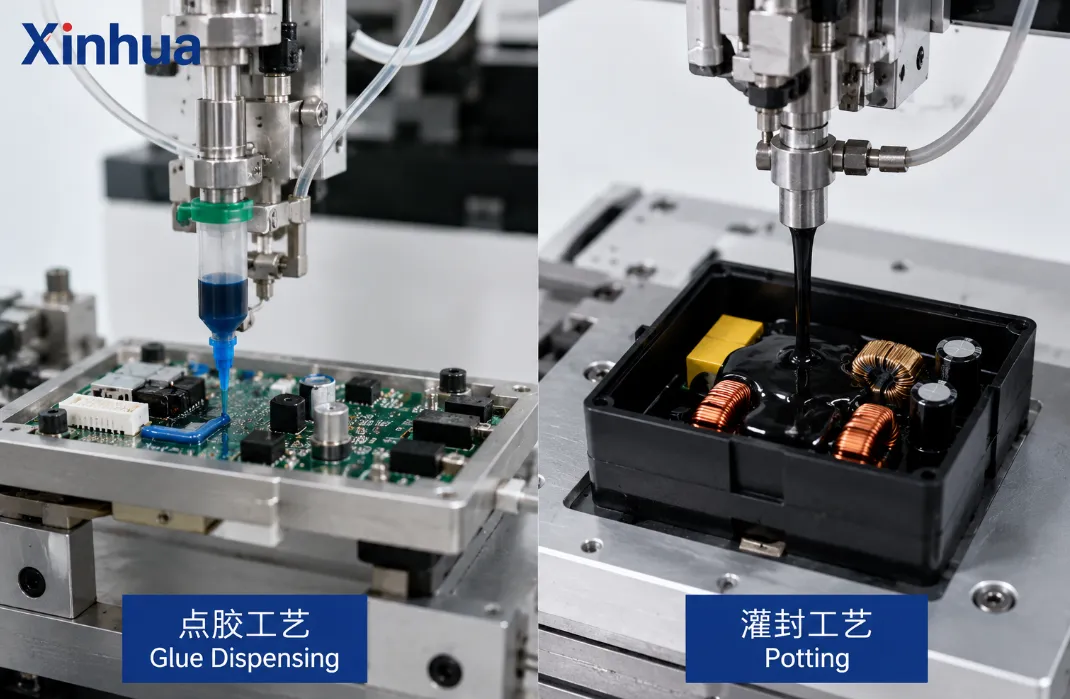
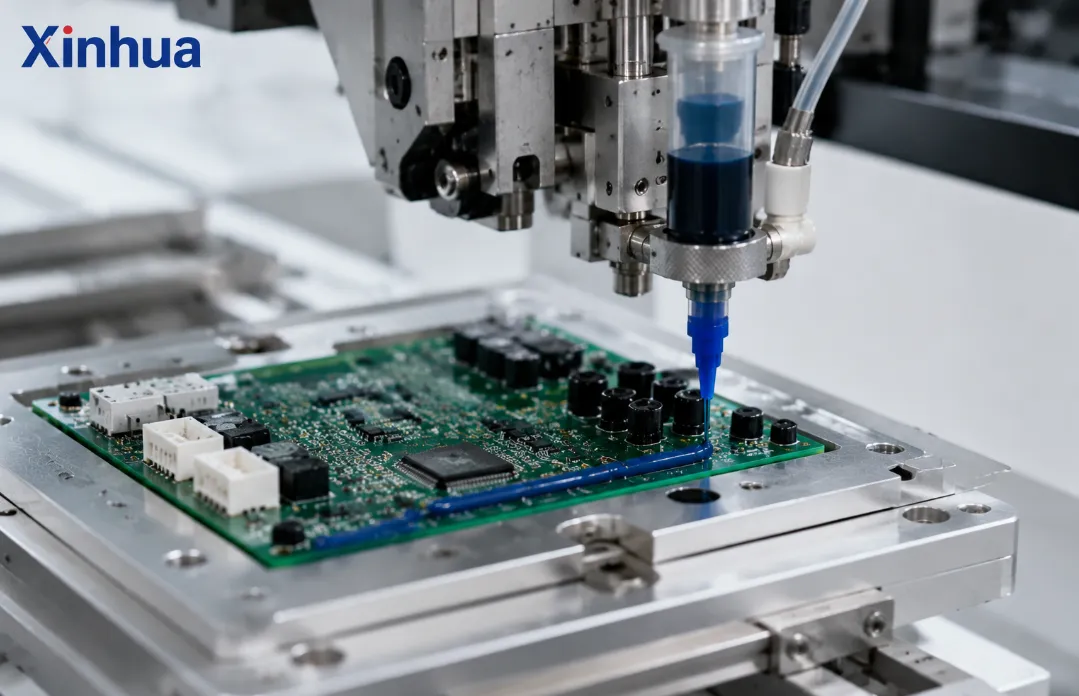
What Is Glue Dispensing?
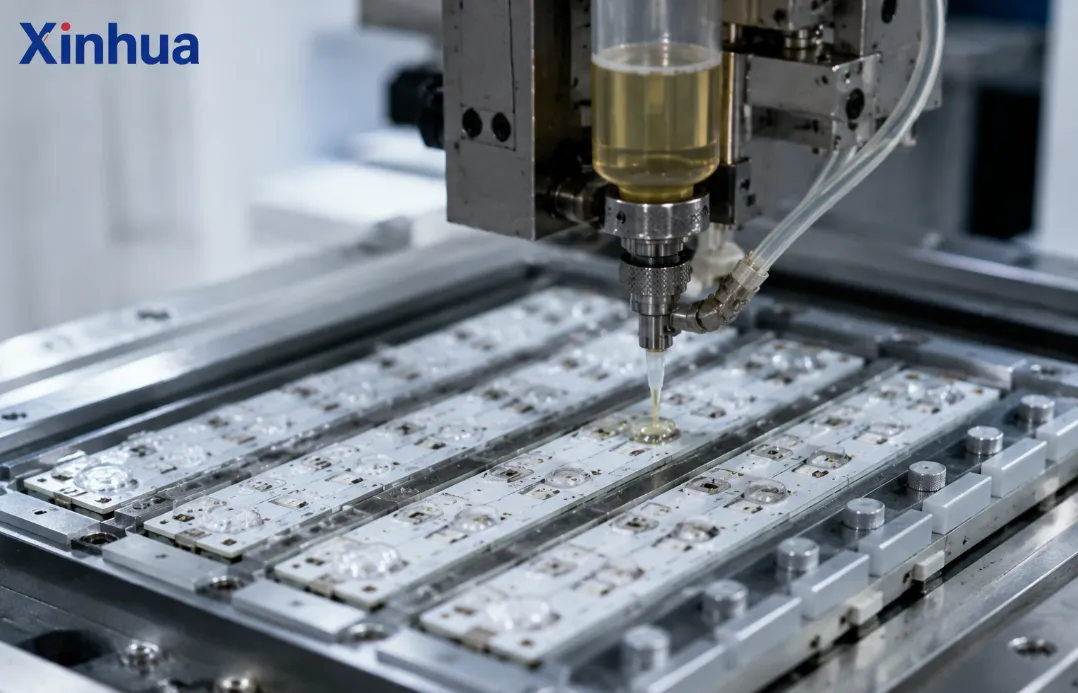
Glue dispensing is the process of applying a precise amount of adhesive, sealant, or resin onto specific locations of a component or product. The goal is usually to bond, seal, coat, or reinforce targeted areas without covering the entire assembly.
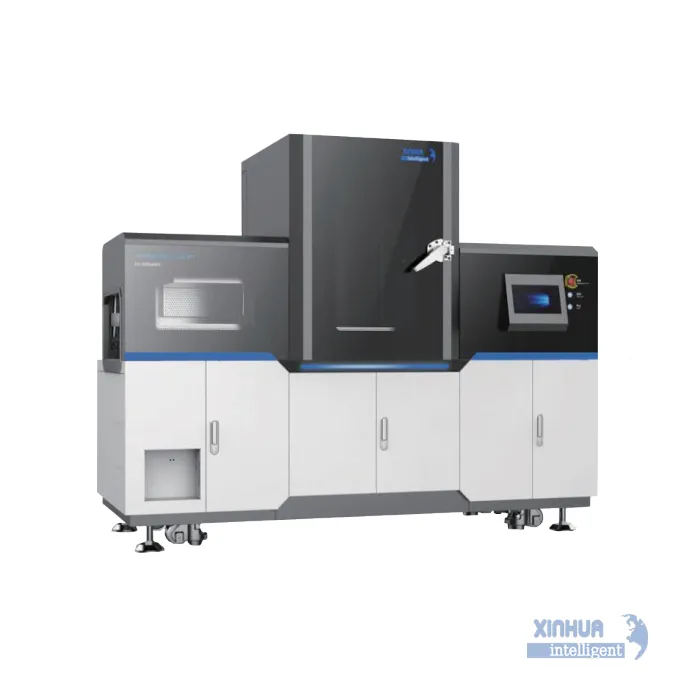
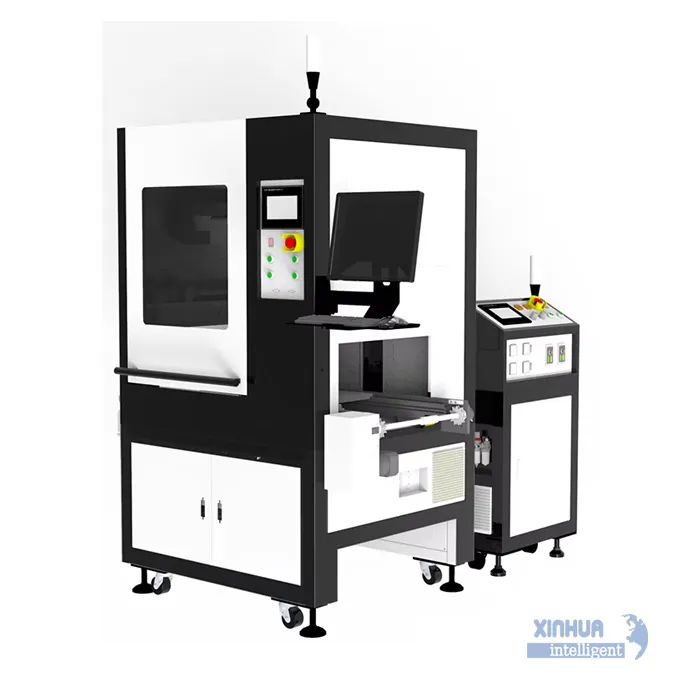
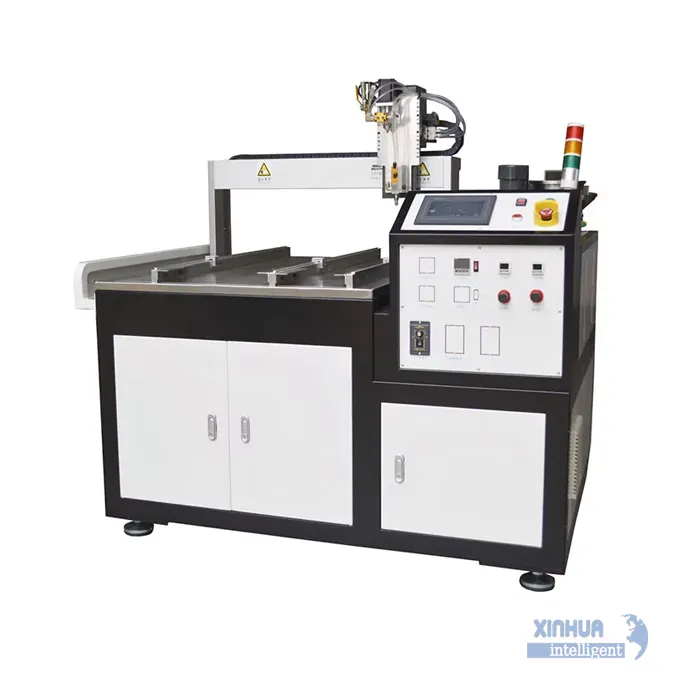
Automated glue dispensing systems use programmable dispensing valves, pumps, and motion platforms to ensure consistent application. These machines are widely used in industries such as:
-
Consumer electronics
-
Home appliances
-
Automotive electronics
-
Medical devices
-
LED manufacturing
Common dispensing applications include:
-
PCB adhesive bonding
-
Edge sealing
-
Component fixing
-
Conformal coating
-
Gasket formation
The biggest advantage of glue dispensing is precision. Manufacturers can control the exact amount, location, and pattern of adhesive, minimizing material waste while improving product consistency.
What Is Glue Potting?
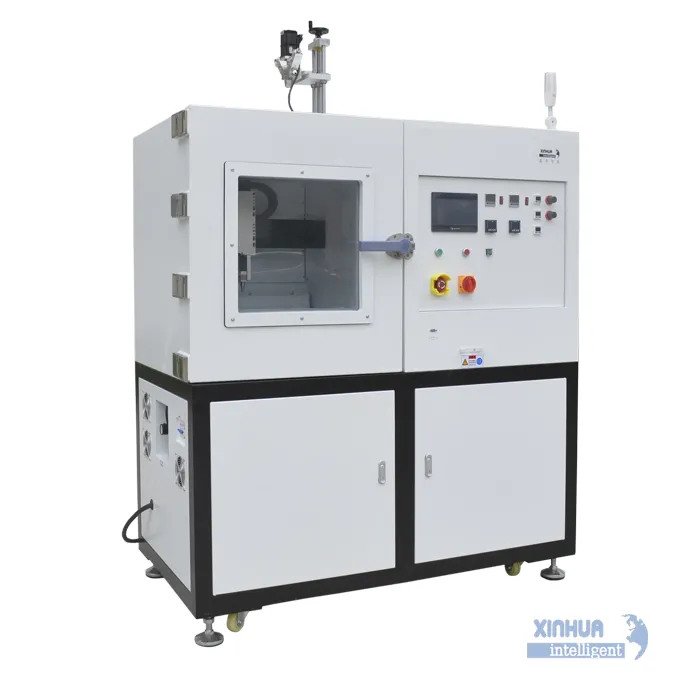
Glue potting, also known as encapsulation or resin filling, involves filling an enclosure, housing, or cavity with a liquid resin that cures into a solid protective mass.
Unlike dispensing, which targets specific areas, potting typically covers and protects the entire electronic assembly.
Potting materials may include:
-
Epoxy resins
-
Polyurethane resins
-
Silicone compounds
Potting is commonly used for:
-
Power supplies
-
Transformers
-
Sensors
-
Automotive controllers
-
Motor stators
-
Industrial control modules
The primary purpose of potting is protection. Once cured, the resin shields components from:
-
Moisture
-
Dust
-
Corrosion
-
Vibration
-
Thermal shock
-
Mechanical impact
Glue Dispensing vs Potting: Key Differences
When comparing glue dispensing vs potting, several important differences become clear.
1. Coverage Area
Glue dispensing applies adhesive only where needed, while potting fills an entire cavity or enclosure.
2. Material Consumption
Dispensing typically uses less material because only selected areas are coated. Potting requires significantly more resin since the entire assembly is encapsulated.
3. Purpose
Dispensing focuses on bonding, sealing, or coating. Potting focuses on environmental protection and insulation.
4. Production Speed
Dispensing processes are generally faster and suitable for high-volume manufacturing. Potting often requires additional filling and curing time.
5. Equipment Requirements
Dispensing systems prioritize precision and repeatability, whereas potting systems emphasize accurate mixing, vacuum degassing, and controlled filling.
Which Process Should You Choose?
The choice between glue dispensing and potting depends on your product requirements.
Choose glue dispensing if you need:
-
Precise adhesive placement
-
Lower material consumption
-
High-speed production
-
Bonding or sealing applications
Choose glue potting if you need:
-
Complete environmental protection
-
Enhanced electrical insulation
-
Vibration resistance
-
Long-term durability in harsh conditions
In some applications, manufacturers use both processes. For example, components may first be fixed using precision dispensing and then protected through full potting.
Understanding glue dispensing vs potting is essential for selecting the right manufacturing process. While glue dispensing delivers precision, efficiency, and lower material costs, glue potting provides superior protection and reliability for sensitive electronic assemblies.
As electronic products become more compact and complex, choosing the correct adhesive application method can significantly impact product quality, lifespan, and production efficiency. Evaluating your application's protection requirements, production volume, and material usage will help determine whether glue dispensing, potting, or a combination of both is the best solution.